Why Stainless steel is a smarter alternative
Why Silicone Kitchen Utensils May Not Be the Best Choice – And Why Stainless Steel Is a Smarter Alternative
6/29/20262 min read
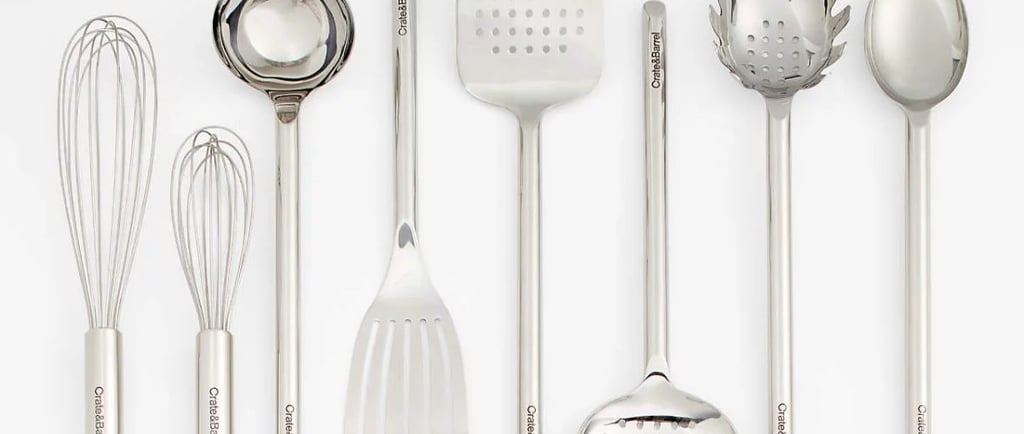
In recent years, silicone kitchen utensils have become incredibly popular. They are colorful, flexible, non-stick, and easy to clean. However, many people are beginning to question whether silicone is truly the healthiest material for food preparation.
If you’re trying to reduce your exposure to synthetic materials and create a healthier kitchen, it’s worth taking a closer look at silicone—and why stainless steel may be a better long-term investment.
What Is Silicone?
Despite common misconceptions, silicone is not the same as natural rubber. It is a synthetic material made primarily from silica (derived from sand), combined with oxygen, carbon, and petroleum-based chemicals. This means silicone is a manufactured polymer rather than a completely natural material.
Although food-grade silicone is generally considered safe for normal cooking temperatures by many food safety authorities, it is still a synthetic material rather than an inert metal.
Potential Concerns About Silicone
1. Silicone Is Not Completely Natural
Many people assume silicone is an eco-friendly, natural material because it contains silica. In reality, producing silicone requires significant industrial processing and chemical additives.
If your goal is to minimize contact with synthetic materials, silicone may not align with that lifestyle.
2. Chemicals Can Migrate Under Certain Conditions
Some laboratory studies suggest that low-quality or damaged silicone products may release small amounts of siloxanes or other compounds, particularly when exposed to very high temperatures or fatty foods.
While high-quality food-grade silicone generally performs much better, choosing reputable manufacturers is important.
3. Quality Varies Greatly
Not all silicone utensils are manufactured to the same standards.
Cheap products may contain fillers that reduce durability and may degrade more quickly over time.
Signs it’s time to replace silicone utensils include:
Cracks
Sticky surfaces
Strong odors
Discoloration
Peeling or tearing
Why Stainless Steel Is a Better Choice
1. Naturally Non-Reactive
High-quality stainless steel is highly resistant to corrosion and does not easily react with acidic foods like tomatoes, citrus, or vinegar.
This makes it one of the most stable materials available for food preparation.
2. Extremely Durable
Unlike silicone, stainless steel does not melt, crack, warp, or degrade during normal kitchen use.
A quality stainless steel utensil can last decades.
3. No Plastic Components
Many stainless steel utensils are made entirely from metal without plastic coatings or flexible polymers.
For people seeking to reduce exposure to synthetic materials, stainless steel is an excellent option.
4. Easy to Clean
Stainless steel has a smooth, non-porous surface that is easy to wash and does not easily absorb odors, grease, or food pigments.
5. Environmentally Friendly
Stainless steel is one of the world’s most recyclable materials.
Because it lasts for many years, it also helps reduce household waste.
Should You Throw Away Your Silicone Utensils?
Not necessarily.
If your silicone utensils are:
high-quality,
food-grade,
undamaged,
and used within their recommended temperature range,
there is no strong scientific evidence that they pose a significant health risk during normal use.
However, if you’re aiming to minimize synthetic materials in your kitchen or prefer long-lasting, recyclable alternatives, gradually replacing worn silicone utensils with stainless steel is a reasonable choice.
Final Thoughts
Creating a healthier kitchen isn’t about chasing perfection—it’s about making informed choices.
Stainless steel offers outstanding durability, recyclability, and stability, making it one of the best materials for everyday cooking.
Silicone remains widely used and is generally considered safe when it is high-quality and used as intended, but if your priority is reducing reliance on synthetic materials, stainless steel is a practical and long-lasting alternative.
Disclaimer: This article is for educational purposes only. Current evidence indicates that certified food-grade silicone is generally safe for normal culinary use, but research into long-term exposure to various food-contact materials continues to evolve.
I have some recommendation for You in…